
The 1950s are often regarded as one of the greatest decades in car history. Following the end of the Second World War, economies began to recover, industries profited and millions of people experienced a new sense of freedom and prosperity. The motor car became more than just a means of transportation. It was a symbol of freedom and achievement.
Manufacturers across America and Europe competed to build bigger, faster, stylish and more technologically advanced cars than ever before. Chrome-covered bodywork, wraparound windscreens, powerful engines and luxurious interiors became defining characteristics of the era. At the same time, European manufacturers focused on precision engineering, lightweight sports cars and innovative designs that would influence the car industry for decades to come.
Many of the vehicles introduced during this decade have become true classics. Here are six of the finest cars of the 1950s and the reasons why they continue to capture the imagination of car lovers around the world.
1. Chevrolet Bel Air (1955–1957)
The Chevrolet Bel Air embodied the spirit of post-war America, combining affordability with bold styling and great performance.
The 1955 model introduced Chevrolet's revolutionary small-block V8 engine, offering an exciting blend of power and reliability. By the time the iconic 1957 version arrived, its distinctive front grille, generous chrome detailing and striking two-tone paint schemes had made it one of the most recognisable cars ever built.
The Bel Air appealed to families looking for comfort as well as younger drivers seeking performance. Today, it remains a sought-after American classic, selling at impressive prices at auctions around the world.
2. Mercedes-Benz 300 SL Gullwing (1954–1957)
The Mercedes-Benz 300 SL Gullwing is widely regarded as one of the greatest sports cars ever built. Introduced in 1954, it captivated the car industry with its revolutionary design and advanced engineering. Inspired by Mercedes’ successful racing programme, the car featured a lightweight tubular spaceframe chassis and signature gullwing doors, creating one of the most distinctive and recognisable silhouettes in automotive history.
The 300 SL was among the first production cars to use mechanical fuel injection. This innovation helped it exceed 160 mph, earning it the title of the fastest production car in the world at the time of its launch.
More than 70 years later, the 300 SL Gullwing remains iconic. Its combination of engineering innovation, timeless styling and exclusivity means it’s one of the most celebrated classic cars ever made. Such is its popularity that it frequently commands prices well in excess of £1 million.
3. Ferrari 250 GT (1954–1964)
The Ferrari 250 GT came to the market in 1954. It combined incredible performance with elegant Italian styling, promising both speed and comfort.
Powered by Ferrari's legendary 3.0-litre Colombo V12 engine, the 250 GT delivered exhilarating performance. It came in a variety of beautifully crafted body styles, with each version showcasing exceptional craftsmanship and timeless design.
Today, the Ferrari 250 GT is regarded as one of the finest classic grand tourers ever built. The rarity of the 250GT alongside its beauty and history means it can often fetch millions of pounds at auction.
4. Jaguar XK150 (1957–1961)
Britain also made a remarkable contribution to the sports car revolution of the 1950s with the introduction of the Jaguar XK150 in 1957. Building on the success of its predecessors (the XK120 and XK140), the XK150 offered improved handling, enhanced interior comfort and a more sophisticated design. It combined exhilarating performance with refined luxury, making it equally at home on winding country roads and long-distance continental tours.
For 1950s standards, it was a seriously quick car, with the XK150 S reaching top speeds of around 132 mph and hitting 0 to 60 in under eight seconds. With its elegant styling and exceptional engineering, the XK150 has earned its place as one of Britain's most celebrated classic sports cars.
5. Porsche 356 Speedster (1954–1958)
The Porsche 356 Speedster was lightweight, beautifully balanced and highly responsive. It offered an exhilarating driving experience that earned it a devoted following. It was introduced as a stripped back version of the Porsche 365 to appeal to enthusiasts and amateur racers at the request of a US importer, Max Hoffman. It remained in production from 1954 to 1958.
More than just an outstanding sports car, the Speedster played a crucial role in establishing Porsche’s reputation for precision engineering and performance. Its success laid the foundations for the legendary 911, which would become one of the best selling and iconic sports cars of all time.
Today, the 356 Speedster is recognised as one of the most desirable classic sports cars ever produced. Famous for its timeless design, outstanding driving dynamics and lasting influence on automotive history, it remains a prized possession among collectors and enthusiasts around the world.
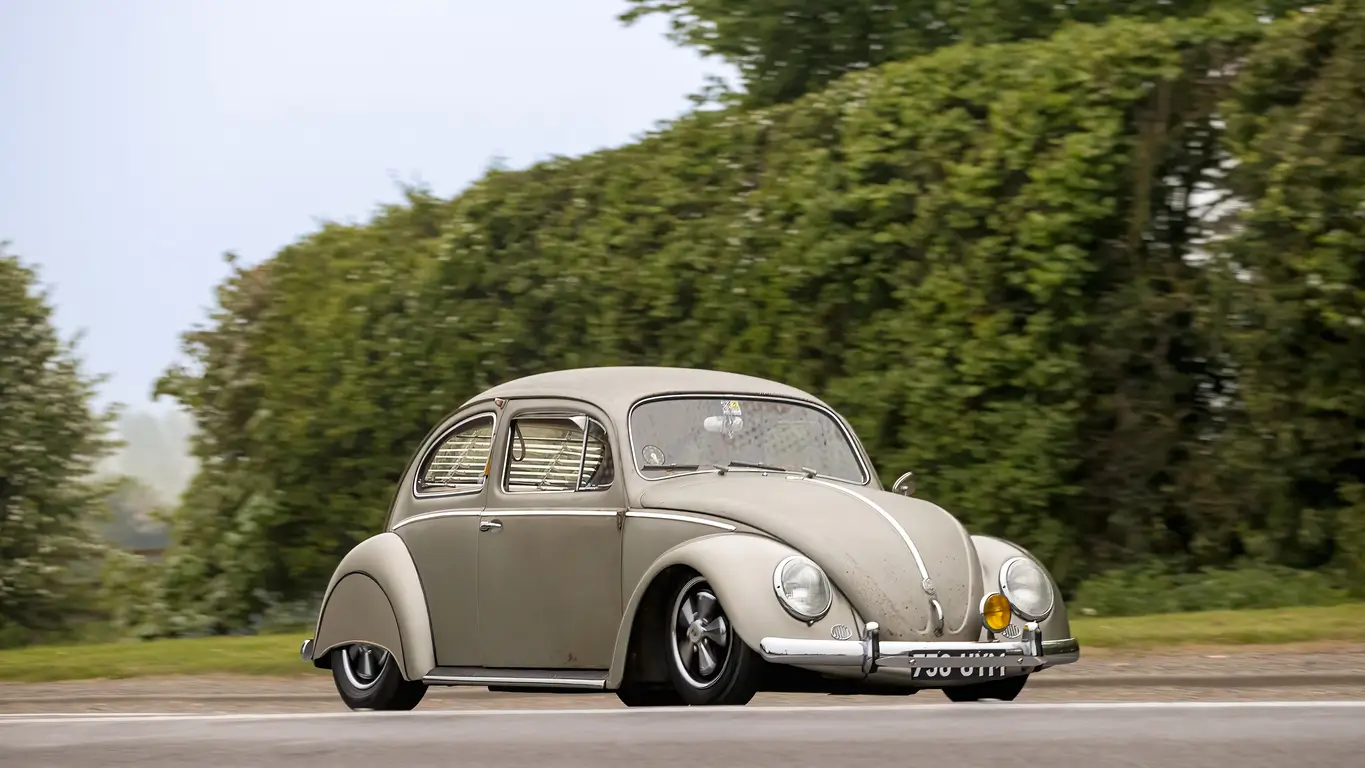
6. Volkswagen Beetle (1945–2003)
The Volkswagen Beetle earned its place in motoring history through its incredible reliability, affordability and simple fun design.
Instantly recognisable for its distinctive rounded bodywork and rear-mounted, air-cooled engine, the Beetle offered low running costs that appealed to millions of families during a time of increasing prosperity. Its practicality and reliability helped drive production to extraordinary levels, making it one of the best-selling vehicles of all time. In fact, around 21 million original Beetles have been built, and it held the record for the most-produced single car design for decades.
Beyond its commercial success, the Beetle’s charming character and reliability transformed it into a cultural icon, loved by generations of drivers around the world.
A golden age of automotive design and innovation
The 1950s are widely regarded as a golden age of automotive design and innovation. It was a decade in which manufacturers embraced bold styling, groundbreaking engineering and new technologies, transforming the motor car from a simple means of transport into a symbol of freedom, performance and aspiration.
More than 70 years later, the influence of these cars can still be seen in modern vehicles, while their timeless appeal continues to captivate collectors and car enthusiasts around the world.
Specialist classic car insurance through Ripe
As well as considering the costs of owning, maintaining, and storing a classic vehicle, you might also want to consider specialist classic car insurance by Ripe for financial protection if the unexpected happens.
Ripe arranges cover designed specifically for classic car owners, helping to protect vehicles against risks such as theft, loss, accidental damage, fire, and vandalism, so you can enjoy your pride and joy with added peace of mind, get an online quote today.
Please note the information provided on this page should not be taken as advice and has been written as a matter of opinion. For more on insurance cover and policy wording, see our homepage.