
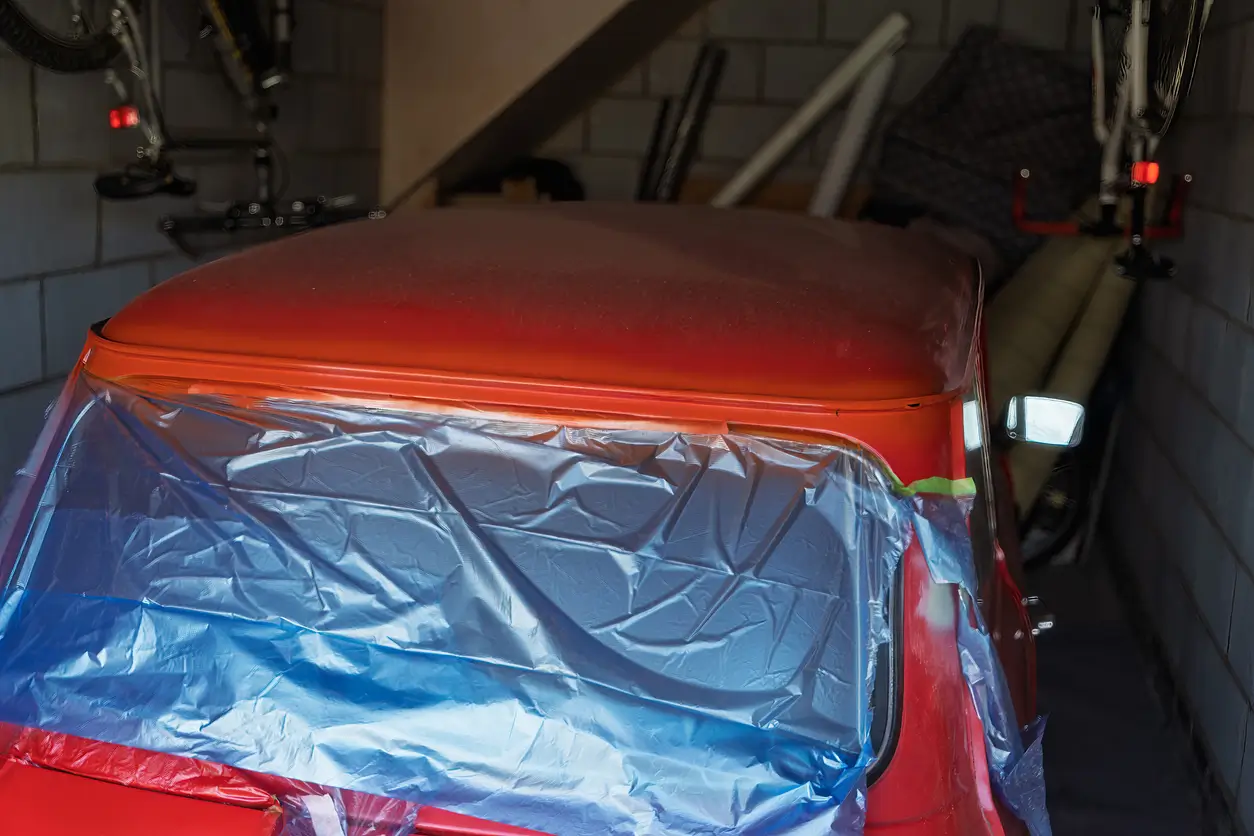
Cold temperatures, moisture, salt on the roads, and long periods without driving make winter a challenging season for classic cars. For many owners, winter storage is an important part of protecting their vehicle during the colder months, but it can be difficult to know how to do this effectively.
In this guide, we’ll look at why winterising your classic car is important and what can happen if your car is left unprepared. We’ll also run through how to prepare your car for winter storage, what to check during storage, and how to get your vehicle ready for spring.
Why do you need to prepare your classic car for winter?
Classic cars require special care throughout the year, but they can be particularly vulnerable during the winter months for many reasons.
Cold temperatures and moisture – Condensation and humidity can lead to moisture gathering in enclosed areas which may then lead to damp, rust, and corrosion
Road salt – Salt and other contaminants found on the roads during winter can speed up corrosion, particularly underneath the car and around exposed metal parts
Long periods of inactivity – If you don’t use your car much over winter, this can lead to battery draining, tyre deterioration, and seizing or corroded brakes
What happens if you don't prepare your classic car for winter?
If you don’t prepare your classic car for winter, you may discover the following issues when you want to drive it again in the spring:
Rust and corrosion
Flat or damaged battery
Tyre flat spots or loss of pressure
Brake problems
Deteriorating fluids
Mould, mildew, and bad odours
Pest damage
Paintwork damage
A few hours spent preparing your car before winter will help to prevent these issues so you can enjoy driving once warmer weather arrives.
How to prepare a classic car for winter storage
Follow the steps below to get ready for winter.
1. Clean your car thoroughly
Cleaning your car inside and out before storing it is important, as leaving dirt, salt, or moisture on it for months can increase the risk of corrosion. You should pay extra attention to the underside and wheel arches where road grime can gather. Be sure to dry the car thoroughly after cleaning to reduce the risk of rust.
2. Check the engine oil and other fluids
Before storing your car, check the engine oil, coolant, brake fluid, and screen wash. If you need to replace or top up any of these fluids, always follow the manufacturer’s recommendations. Older cars can have very different requirements to modern vehicles, so consult your car’s handbook or ask a qualified specialist if you’re unsure.
3. Look after the battery
To keep the battery in good working order over winter, use suitable battery maintenance products, keep the terminals clean, and follow the manufacturer's recommendations. You could also choose to disconnect the battery where appropriate.
4. Check the tyres
Check the tyre pressures, inspect them for damage, and consider the appropriate pressure for long-term storage.
5. Check and protect the brakes
Brakes are susceptible to seizing and corrosion when left for long periods, so it’s important to check these thoroughly. Inspect the discs or drums, check the brake fluid, ensure your brakes aren’t showing signs of sticking, and avoid leaving the handbrake on for months if the manufacturer’s guidelines recommend this.
6. Protect the bodywork from corrosion
Your car’s bodywork can also suffer from corrosion if it isn’t properly prepared for winter. Use wax or other protective products where suitable and ensure your car is completely dry and moisture-free before covering it up.
7. Use the right car cover
Using the wrong car cover over winter can cause condensation to get trapped against the car, potentially causing rust and corrosion. Use a high-quality breathable cover if your car will be stored inside, and a water-resistant breathable cover if it will be left outside.
Remember that a classic car shouldn't be covered immediately after washing while it's still damp.
8. Choose a suitable storage location
Choose a winter storage location that’s dry, secure, well ventilated, and protected from extreme temperature changes where possible. If you’re storing your car outside, you might need some additional protection. This could include parking on a well-drained, hard surface so it’s not left in standing water.
9. Protect the interior
To protect the interior of your car over winter, remove any damp items, clean the carpets and upholstery, check for moisture, and use leather protection products where appropriate. Damp leads to mould and mildew, so it’s also important to maintain ventilation.
10. Protect against pests
Classic cars in storage can attract pests looking for somewhere to nest. Before putting your car away, check the storage area for pests, remove any food from the car and its surroundings, and inspect the car every few weeks to ensure it stays pest-free.
Where’s the best place to store a classic car over winter?
There are a few great options when it comes to storing your car over winter.
Garage storage – Protects your car from bad weather, offers excellent security, and makes maintenance easier
Specialist classic car storage – Purpose-designed storage facilities can be particularly attractive if you have a high-value or rare vehicle
Outdoor storage – Outdoor storage comes with some challenges, including the weather, security, moisture, and covering
Should you start a classic car during winter storage?
It’s not necessarily the best idea to briefly start the car in winter. Running the engine for a short period of time can lead to condensation build-up, oil contamination, and battery drain.
To be safe, follow recommendations from the manufacturer or a classic car specialist and never run a vehicle in an enclosed space without proper ventilation. It’s important to bring the engine fully up to operating temperature if you do run it.
How often should you check a classic car in winter storage?
This depends on the vehicle, how it’s been prepared for winter, and where it’s being stored. Try to look in on your vehicle every few weeks and check the:
Tyre pressure and condition
Battery condition
Bodywork
Interior
You should also look for signs of moisture, condensation, leaks, and pests. Consider keeping a simple winter storage checklist or log so you stay on top of how often you’ve checked your car and its condition.
Getting your classic car ready after winter storage
To get up and running in spring, make sure you:
1. Inspect the car before starting it
Check for leaks, pest damage, tyre condition, fluid levels, battery condition, and visible corrosion.
2. Check the brakes and tyres
Don't immediately take your car out for a drive once the sun comes out without checking its brakes and tyres.
3. Take a cautious first drive
Take a short, sensible test drive in good weather conditions once you’ve checked your car for any visible issues.
Does winter storage affect my classic car insurance?
You should check your policy wording and speak to your insurer if you plan to store your vehicle for an extended period.
Depending on your policy, you may need to store your vehicle at a specific address with certain security in place. You should also check whether you have to let them know if you change your storage arrangements. Sometimes, you may need to amend your policy to account for specialist storage requirements.
Classic car winter storage checklist
Clean and dry the car thoroughly
Remove salt and dirt
Check fluids
Check tyre pressures and condition
Inspect the brakes
Prepare the battery
Protect bodywork
Clean and dry the interior
Use a suitable breathable cover
Check the storage area is dry and secure
Take appropriate pest prevention measures
Check the vehicle every few weeks
Review your insurance requirements
Specialist classic car insurance by Ripe
Winterising your classic car will help to protect its mechanical parts, bodywork, and interior, so it’s ready to drive when spring returns.
Having specialist classic car insurance is also important when financially protecting your car. Get an instant online quote today.
Please note the information provided on this page should not be taken as advice and has been written as a matter of opinion. For more on insurance cover and policy wording, see our homepage.