
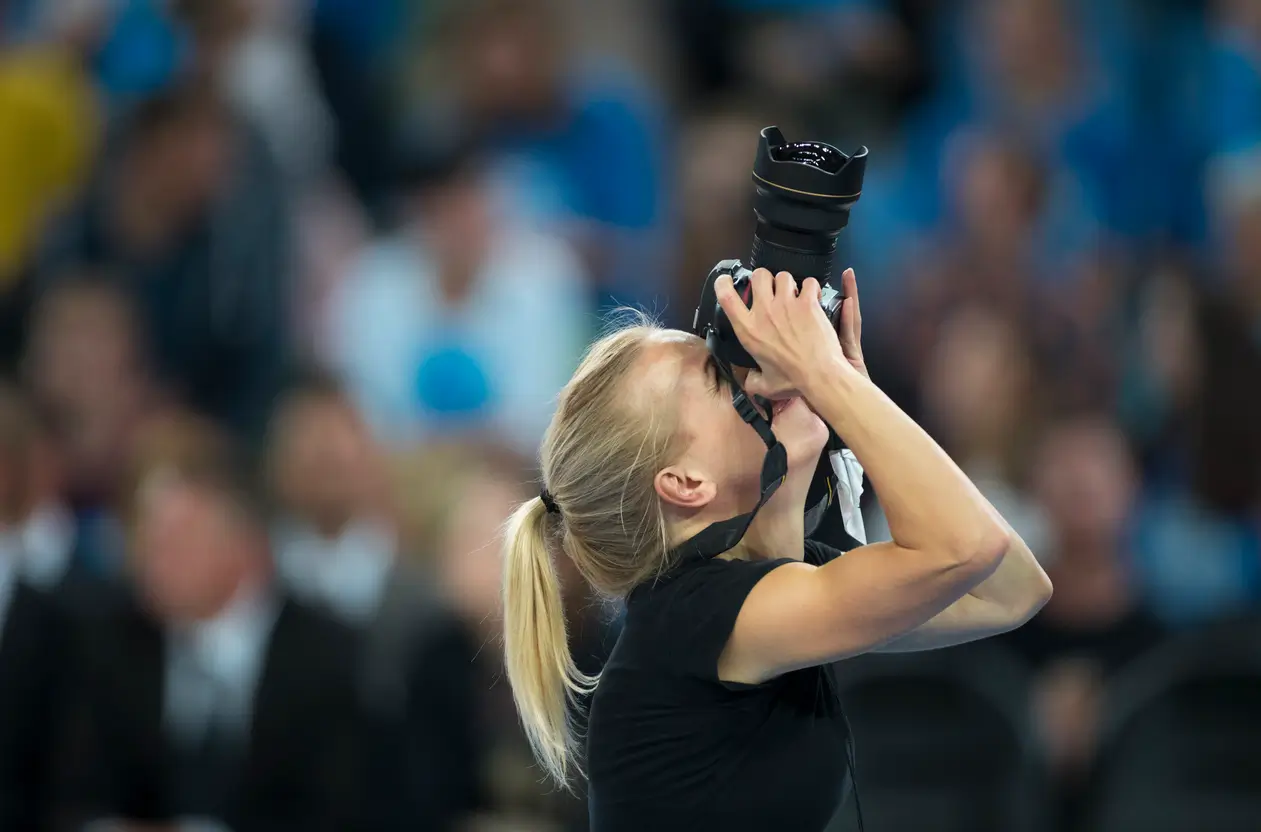
Sports photography is one of the most thrilling creative activities, especially since it presents the unique challenge of capturing quality photographs of moving objects. But how do you know where to start with getting the right settings and equipment?
Here’s our guide on how to choose the best camera for sports photography, so whether you’re an amateur or aspiring professional, you can get the right gear for your budget and needs.
What is the best camera for sports photography?
There is no definitive answer to this question. It depends on your budget, skill level and how serious you are about sports photography.
If you’re a hobbyist, you don’t need to spend a fortune on a high-end model. If you won’t sell your work or don’t need super large resolutions, then a super high res sensor is not so important.
On the flip side, though, if you are a serious amateur or budding professional, you will want to spend a little more on a higher-end camera and lens.
Mind you that doesn’t mean you have to break the bank and buy the top, most expensive camera and lenses out there. What you need is a camera with the right specs.
The most important features when it comes to shooting sports and action are:
Fast autofocus
Good low-light focusing ability
Good focus tracking
High ISO ability and frame rate (fps)
Good zoom lens
Rather than give you a list of cameras to choose from, this article provides an overview of the features you need to consider so you can make your own informed choice.
What camera features to consider with sports photography
Frame rate (FPS)
The frame rate is the number of photos the camera can shoot continuously, measured in frames per second (fps).
A higher frame rate allows you to capture multiple moments as the action unfolds. A slower rate increases the risk of missing key moments.
High-speed sports such as motor racing, athletics, and basketball benefit from faster frame rates, whereas slower sports may not require it.
Shooting at very high frame rates also means more images to sort through, so it’s important to balance speed with intent and timing.
Fast autofocus
Accurate focusing is critical—one sharp image is better than ten out of focus.
Sports photography relies heavily on autofocus systems, especially when tracking fast-moving subjects.
Lens performance is just as important as the camera body. Your lens must be able to react quickly to autofocus commands.
Focus tracking
Many modern cameras feature continuous autofocus, such as AI Servo, which tracks subjects as they move.
More advanced systems can lock onto a subject and follow it across the frame, which is especially useful for sports photography.
Low light focus ability
If you plan to photograph indoor sports or events held in low light, you’ll need a camera that can focus accurately in darker conditions.
High ISO performance
Fast shutter speeds are essential for freezing motion, which often requires higher ISO settings.
Increasing ISO introduces noise, so it’s important to choose a camera that performs well at higher ISO levels.
Noise reduction software can help improve image quality.
Good zoom lens
A zoom lens is essential as you’ll rarely be close to the action.
A 70–200mm lens works well for many sports, while a 100–400mm lens is better for motorsports, skiing, or air shows.
Which camera should you choose?
The best camera for sports photography depends on your personal needs, experience level, and budget.
When choosing, check these key specifications:
Frames per second (fps) — higher is better for fast action
Autofocus speed and accuracy
Number of autofocus points
Autofocus tracking capabilities
Low-light autofocus range (EV)
Maximum shutter speed
Choose your camera wisely
You don’t need the most expensive camera to take great sports photos. Choose equipment that matches your needs and shooting style.
Specialist photography insurance through Ripe
Planning on shooting sports photography? You may want to protect your equipment with specialist photography insurance.
Ripe offers tailored cover for up to £60k of equipment, protecting against theft and accidental damage.
Find out more about specialist photography insurance or get a quick online quote today.
Please note the information provided on this page should not be taken as advice and has been written as a matter of opinion. For more on insurance cover and policy wording, see our homepage.