
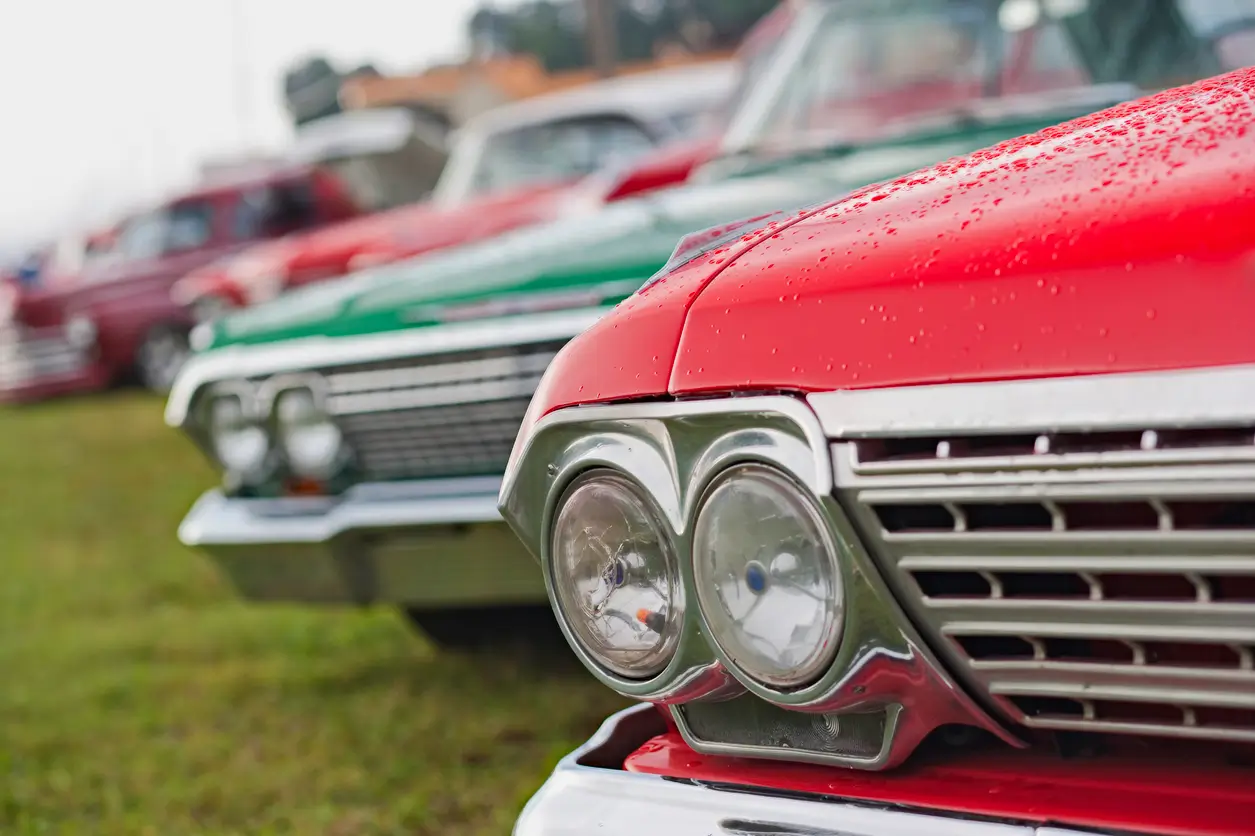
Owning a classic car is a dream for many people, but there are a lot of things to consider when buying your first one. Of course, finding one you love is important, but you’ll also need to factor in its condition, running costs, any legal considerations, storage needs, and insurance requirements.
In this beginner’s guide, we share tips on everything from choosing a car and setting a budget to checking its history, arranging insurance, and looking after it once it’s yours.
Should I buy a classic car?
People often want to buy a classic car for the fun driving experience, characterful aesthetic, and the satisfaction of owning a piece of motoring history.
However, ownership comes with responsibilities. Older vehicles may need frequent maintenance, while finding specialist parts or a mechanic with relevant experience can be tricky. You’ll also need to think about where you’ll store the car, how often you plan to drive it, and the cost of keeping it in good condition.
Before buying a car, consider whether you have the time, budget, and facilities to look after it properly. There are many things to enjoy about owning a vintage vehicle, but choosing one that matches your experience, lifestyle, and budget is really important.
The benefits of owning a classic car
Some great benefits come with owning a classic car, including:
A fun driving experience
Joining the community
Going to events
Having a car that stands out
Learning about vehicle maintenance and mechanics
The challenges of classic car ownership
Ownership also comes with some challenges, like:
Potentially expensive maintenance and repairs
Difficulty finding parts
Reliability
Storage requirements
Restoration costs
Finding specialist expertise
Insurance considerations
Choosing the right classic car for you
The right car for you depends on what appeals to you, your budget, how often you’ll drive it, where you plan to store your car, and how much time you can dedicate to maintenance.
What is a good classic car to buy?
When choosing the best car for you, consider:
Availability of parts: Check that replacement parts are readily available and reasonably priced for the model you’re considering
Specialist garages and knowledge: Look for garages and mechanics with experience working on your chosen vehicle
Reliability: Consider how dependable the car is and whether it has any known mechanical issues
Ease of maintenance: A vehicle that’s easy to maintain can be a better choice for a first-time owner
Purchase price: Set a budget that covers the car and any repairs or work it may need
Insurance costs: Get an insurance quote before buying so you know the cost of covering your chosen vehicle
Whether the car suits how you plan to use it: Think about whether the car is suitable for your intended use. This could be weekend drives, classic car shows, or longer journeys
Original, restored, or modified?
You may also want to consider whether you want the original car or are happy driving a restored or modified version.
Original/unmodified cars: These retain their factory specification and are perfect if you’re looking for authenticity and originality
Professionally restored cars: They have been refurbished to a high standard, but it’s important to check the quality of the restoration work
Part restored projects: These vehicles may cost less upfront but can require significant additional time, money, and expertise to complete
Modified: Modified cars combine classic styling with modern upgrades, which can improve performance and usability but may affect originality and value
Whatever type you choose, it’s crucial to understand how any modifications or restoration work could affect the car’s value, maintenance requirements, and insurance cover.
Set a realistic budget
The price you pay for your car is just the first expense. There are many running costs that you’ll need to budget for.
Total cost of ownership
When buying your first vintage car, these are the main costs you’ll need to include when budgeting:
Purchase price
Insurance
Road tax, where applicable
MOT costs, where applicable
Servicing
Repairs
Replacement parts
Tyres
Fuel
Storage
Security
Restoration work, where applicable
Make sure you don’t spend your entire budget on the car and keep some aside for unexpected repairs and maintenance.
Don't assume the cheapest car is the best deal
While a cheap price can be attractive when first buying your vehicle, think about why it’s being sold for a low price. If the vehicle needs lots of work, you may find that paying more upfront for a model in better condition will be more cost-effective in the long run.
Where to buy a classic car
There are several options available, including:
Specialist dealers: Dealers can offer specialist knowledge and a selection of vehicles, often with supporting documentation and expertise
Private sellers: Buying privately can offer more choice and potentially lower prices, but you’ll need to do thorough checks yourself
Classic car auctions: Auctions can be a good way to find unusual or desirable cars, although you should understand the bidding process and inspect the car beforehand
Online marketplaces: Online platforms make it easy to compare cars and prices but you should always view and inspect a vehicle in person before buying
Classic car shows and enthusiast communities: Shows and owner communities can help you discover cars for sale while providing useful recommendations and specialist knowledge
Inspect the car and check its history
Inspecting the car and checking its history is an important step before you part with any cash.
What to check when viewing a classic car
Bodywork: Check the bodywork for rust, corrosion, poor paintwork, and signs of repair
Engine and mechanical components: Look for unusual noises, leaks, and smoke
Interior: Check for water damage, wear, and authenticity
Underside: Inspect the chassis and look for any structural corrosion or signs of previous repairs
View the car's history and paperwork
When looking at a classic car, ask to see:
V5C (logbook)
MOT history
Service records
Invoices
Restoration records
Previous owners
Matching numbers, where relevant
Vehicle identification number
It’s recommended that you verify information independently rather than relying on information from the seller.
Road tax, MOT, and ownership requirements
Before buying a car, make sure you understand the rules that apply to the specific vehicle. In the UK, requirements vary depending on the car's age, registration status, modifications, and where you’re buying it from.
Vehicle tax
Classic cars may qualify for the historic vehicle tax class, but eligibility depends on the vehicle's age and circumstances. From 1 April 2026, vehicles built before 1 January 1986 can apply for exemption from paying vehicle tax, although they must still be taxed.
MOT requirements and exemptions
Some historic vehicles are exempt from the annual MOT. Typically, a vehicle doesn’t need an MOT if it was built or first registered more than 40 years ago and has not undergone substantial changes in the last 30 years. However, an MOT exemption doesn’t mean you can overlook roadworthiness.
Registering and transferring ownership
When you buy a used car, make sure the seller provides the correct paperwork and that the details match the vehicle. You should see the V5C vehicle registration certificate and check the registration number, VIN, and other details against the car.
Check the V5C and vehicle registration
Don't rely on the V5C alone as proof that everything about the car is correct. Check the information against the vehicle and available records, particularly if the car has been restored or modified.
SORN and storing the car off the road
If you plan to keep your classic car off public roads and it isn't taxed, you may need to make a Statutory Off Road Notification (SORN).
Plan for storage and ongoing maintenance
Proper storage and maintenance are key to keeping your car looking great and driving well.
Choosing the right storage
The right storage for your car will help keep it safe, secure, and in great condition. The best storage option is a secure garage which is dry and well ventilated. Wherever you store your car, you’ll need to make sure it’s protected from damp by using an appropriate cover.
Create a maintenance plan
A maintenance plan will help you to look after your classic car and protect your investment. Your plan should include:
Regular servicing
Fluid checks
Tyre checks
Battery checks
Brake checks
Cooling system checks
Rust prevention tasks
Seasonal preparation – for example. winterising for the colder months
Arrange classic car insurance
Classic car insurance can differ from standard car insurance depending on the vehicle and how it’s used. Depending on the insurer, it may include:
Comprehensive cover
Agreed value, where available
Limited mileage policies
Laid up/restoration cover
Parts and modifications
Salvage and restoration considerations
Breakdown assistance
You must have valid car insurance to drive a classic car on public roads.
What to do after buying your first classic car
Once you have your vehicle, you’ll still need to do a few things.
Complete the ownership paperwork
Complete your ownership paperwork as soon as possible to ensure everything is in place and compliant. This includes:
V5C
Vehicle tax
Insurance
MOT, where applicable
Have the car inspected and serviced
Even if the seller says the car has recently been serviced, an independent inspection can be useful.
Build a maintenance and documentation file
It’s good practice to keep hold of any:
Service records
Receipts
MOT certificates
Restoration invoices
Parts information
Photographs of restoration work
Join the classic car community
Join clubs, forums, shows, and owner groups so you can meet other classic car owners, share knowledge, and get specialist recommendations.
How to buy a classic car: Beginner's checklist
Decide what type of car suits you
Research likely purchase and running costs
Set a realistic budget
Research the model and common problems
Compare multiple examples
View the car in person
Arrange an independent inspection
Check the vehicle's history and paperwork
Confirm tax and MOT requirements
Check storage arrangements
Get an insurance quote
Complete the ownership paperwork
Arrange servicing
Keep all documentation
Specialist classic car insurance by Ripe
Once you’ve bought your classic car, the right insurance can keep it covered on the road and in storage.
Discover more about classic car insurance by Ripe and get an online quote today.
Please note the information provided on this page should not be taken as advice and has been written as a matter of opinion. For more on insurance cover and policy wording, see our homepage.