
Moisture, corrosion, mould, battery deterioration, and tyre problems can all damage classic cars when left unused. And poor storage can lead to all of these issues. Knowing how to store a classic car properly can help to protect your vehicle’s condition and ensure it’s ready to get back on the road when you are.
Where’s the best place to store a classic car?
The best place to store your vehicle depends on the car you have, how long you’ll be storing it, and your budget. You may be storing it for the winter or simply keeping it safe and secure between drives.
Storing a classic car in a garage
A secure, dry garage is a great option as it protects your car from rain, frost, sunlight, and fluctuating temperatures.
When storing your vintage vehicle in a garage, it’s vital that the space is free from leaks and standing water and well-ventilated. Keep any chemicals, gardening equipment, and other potentially damaging items away from your car and make sure there’s space around it.
Storing a classic car on a driveway
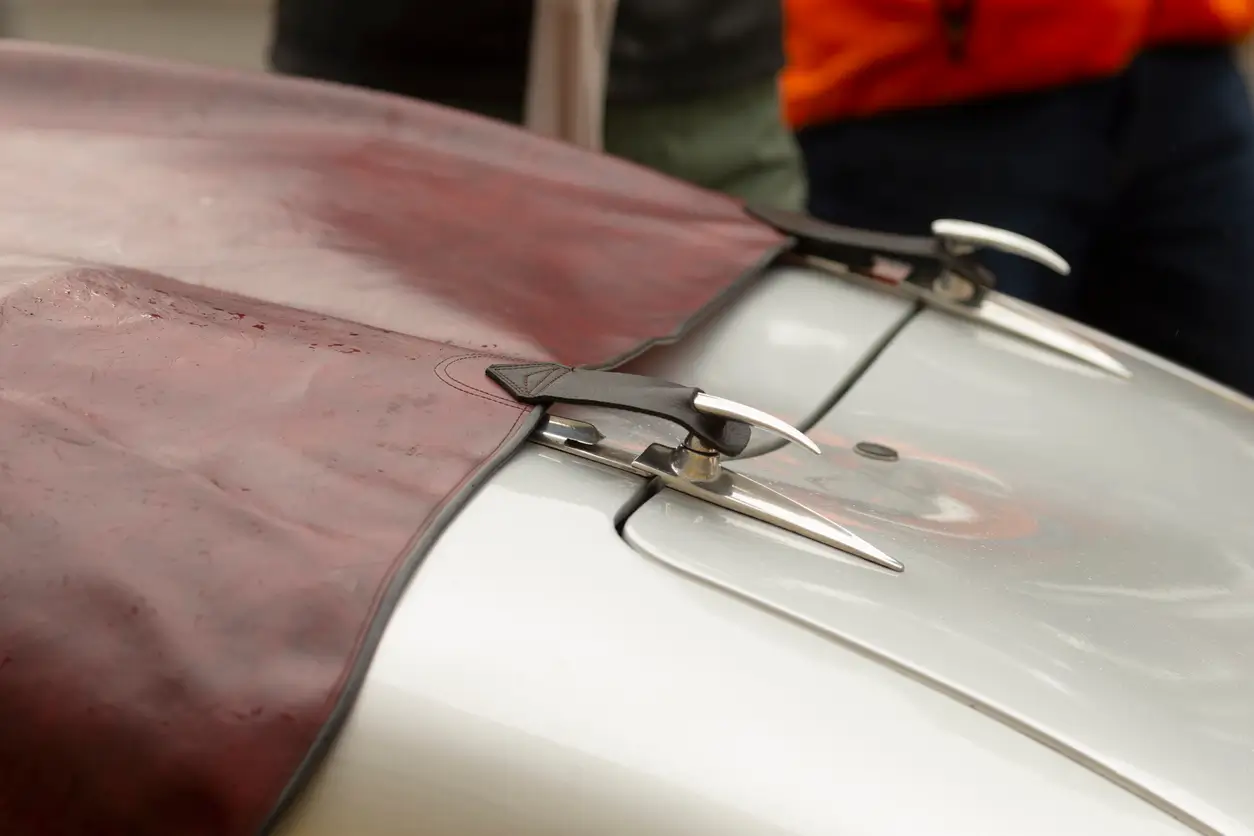
A driveway offers less protection than a garage and leaves your car exposed to moisture, dirt, UV rays, and potential corrosion. If a driveway is your only storage option, cover your car in a high-quality breathable cover, choose a sheltered area where possible, and avoid parking on grass or areas at risk of standing water.
Put appropriate security measures in place and carry out regular inspections so you can quickly spot any issues.
Prepare and clean your classic car before storage
You should start to prepare your car before you put it into storage.
Give the car a thorough clean
Wash and dry the exterior while paying particular attention to wheel arches, underneath the car, and areas where dirt can hold moisture. Remove food, rubbish, and anything that could attract pests, and make sure that the carpets and upholstery are completely dry.
Check for existing damage
Before storing your vehicle, inspect the paintwork, seals, and tyres, and check for fluid leaks, rust, and corrosion. Consider photographing your vehicle before storing it so you have a record of its condition.
How to prevent moisture, condensation, and corrosion
Keep the storage environment dry and ventilated
Humidity can lead to condensation, mould, and mildew, so the storage option you choose must be dry and ventilated. Avoid storing your car in a damp garage and consider using a dehumidifier where appropriate.
Prevent condensation
Temperature changes can cause condensation on metal components and inside the vehicle, which can lead to damage and potentially expensive issues. To prevent condensation, keep the storage temperature as consistent as possible, ensure the space is ventilated, and check your car regularly for signs of condensation.
Protect the battery, tyres, brakes, and fluids
Battery
Decide whether to remove or disconnect the battery. This will depend on the vehicle and the manufacturer's guidance. A suitable battery conditioner or maintainer can help to prevent the battery from becoming discharged. Battery terminals should also be kept clean. Always follow the battery and vehicle manufacturer's recommendations to avoid unnecessary damage.
Tyres
Tyre flat spots can become a problem when a car is left in one position for a long time. Check tyre pressures before storage and find out whether the vehicle manufacturer recommends increasing pressure for long-term storage.
Brakes
Brakes can corrode when a vehicle sits unused, and you should avoid leaving the handbrake on for long-term storage if the vehicle manufacturer's guidance suggests an alternative. Ensure you check the brakes carefully before returning the car to the road.
Fluids
Check oil and coolant levels, look for leaks, and follow manufacturer guidance on oil changes and other fluid maintenance.
Use a suitable classic car cover
A classic car cover can be very useful when storing your vehicle, but the wrong cover can cause issues. Look for a cover made from breathable material, that fits your vehicle well, has a soft inner surface to protect paintwork, and protects from dust.
Non-breathable materials, like plastic sheets, can trap moisture against the vehicle, potentially increasing the risk of corrosion and mould. For this reason, you should also ensure that your car is completely dry before covering it up.
Keep your classic car secure while it's in storage
To keep your vehicle secure while it’s in storage, you can:
Lock the garage or storage facility securely
Use appropriate alarms or immobilisers
Consider CCTV, security lighting, and monitored alarms where appropriate
Keep keys secure and away from the vehicle
Avoid sharing the location where the car is being stored
Consider additional security for valuable or rare vehicles
Ask about security arrangements if you’re using specialist storage
Check your classic car insurance before storage
Before you store your car, check your insurance to see where the vehicle is permitted to be stored. For example, does the policy specify a garage or other secure location, can the vehicle be stored away from its usual address, and are there any security requirements?
Contact your insurer if you:
Switch storage locations
Move the vehicle into specialist storage
Change your security arrangements
Decide to store the car for an unusually long period
Classic car storage checklist
Choose a secure, dry storage location
Clean and completely dry the car
Check for existing damage, rust, and leaks
Make sure the interior is dry and free from food, rubbish, and other debris
Take photographs of the car's condition
Check battery requirements
Check and adjust tyre pressures according to manufacturer guidance
Check the brakes and handbrake
Check fluids and service requirements
Use a breathable, correctly fitted cover
Put appropriate security measures in place
Check the vehicle regularly
Check insurance requirements before putting your car into storage
Carry out appropriate checks before returning your car to the road
Classic car storage FAQs
How often should you check a classic car in storage?
It’s up to you, but many owners choose to check their vehicle every couple of weeks. When you’re there, you can check for:
Damp
Condensation
Mould
Pests
Fluid leaks
Tyre condition
Battery condition
Signs of attempted entry or damage
Changes in the storage environment
Should you start a classic car during storage?
Generally, you should only start your classic car if you plan to drive it long enough to reach its full operating temperature. Leaving it idling for a few minutes fails to warm up the oil, which can trap moisture in the exhaust and cause rust.
When is specialist classic car storage worth considering?
It’s worth finding specialist classic car storage for your vehicle if your car is particularly valuable or rare and you don’t have a secure garage you can use. It’s also worth considering specialist storage if your vehicle will be stored for a long period or you’d like additional security.
How do you prepare a classic car for returning to the road?
Inspect the exterior and underneath the vehicle
Check for leaks or signs of corrosion
Check tyre pressures and condition
Reconnect or check the battery as appropriate
Check engine oil, coolant, brake fluid, and other relevant fluids
Check brakes carefully
Check lights, indicators, and electrical systems
Look for signs of rodents or other pests
Start the engine according to the manufacturer's recommendations
Begin with a short drive and check for unusual noises, smells, vibrations, or handling issues
Specialist classic car insurance by Ripe
Storing your classic car will help to protect it and keep it secure, so it’s in the best possible condition when you take it back on the road.
Having specialist classic car insurance is also important when financially protecting your car. Get an instant online quote today.
Please note the information provided on this page should not be taken as advice and has been written as a matter of opinion. For more on insurance cover and policy wording, see our homepage.