

The British Winter Driving Index
With winter fast approaching, Britain’s roads are about to become a little less predictable.
And it doesn’t take a blizzard or dramatic storm to make a drive more challenging. Darker evenings, heavy rain, fog, frost and icy roads can all transform a straightforward journey into one that demands a little more care behind the wheel.
For classic car owners, there’s even more to think about. While severe snow or ice might mean leaving a cherished classic safely at home, less extreme winter conditions can still make getting behind the wheel a tougher decision. A frosty morning, persistent rain or colder, darker journeys can all affect when and where owners choose to take their pride and joy out on the road.
To find out where winter conditions are hardest and easiest on motorists, we analysed 40 of Britain’s biggest cities across eight different factors, including road collisions, weather conditions, road surface quality and more, and the results highlight some interesting findings.
The Top 10 Easiest Cities in Britain for Winter Driving
These cities come out on top for drivers when winter hits, offering the easiest conditions for getting around by car.
# | City | Score / 80 |
|---|---|---|
1 | Sunderland | |
2 | York | |
3 | Newcastle upon Tyne | |
4 | Gloucester | |
5 | Edinburgh | |
6 | Liverpool | |
7 | Cardiff | |
8 | London | |
9 | Aberdeen | |
10 | Bristol |
Sunderland ranked top of the list in our research, achieving a score of 59.7 out of a possible 80, making it the easiest location to navigate Britain’s roads in winter this year.
The North East town performed particularly well, with just 12.7% of its winter collisions occurring as a result of adverse weather conditions. As well as this, only 38.1% of collisions occurred in darkness, which was one of the lowest recorded in the study.
Drivers in the area may still want to keep an ice scraper handy as the weather gets colder so they’re prepared for any situation, but frosty mornings were more limited in Sunderland, with an average of 16.5 frost days, alongside relatively low average rainfall of 226.7mm. Meaning those driving in the city don’t have to battle the elements as often when out on a drive this winter.
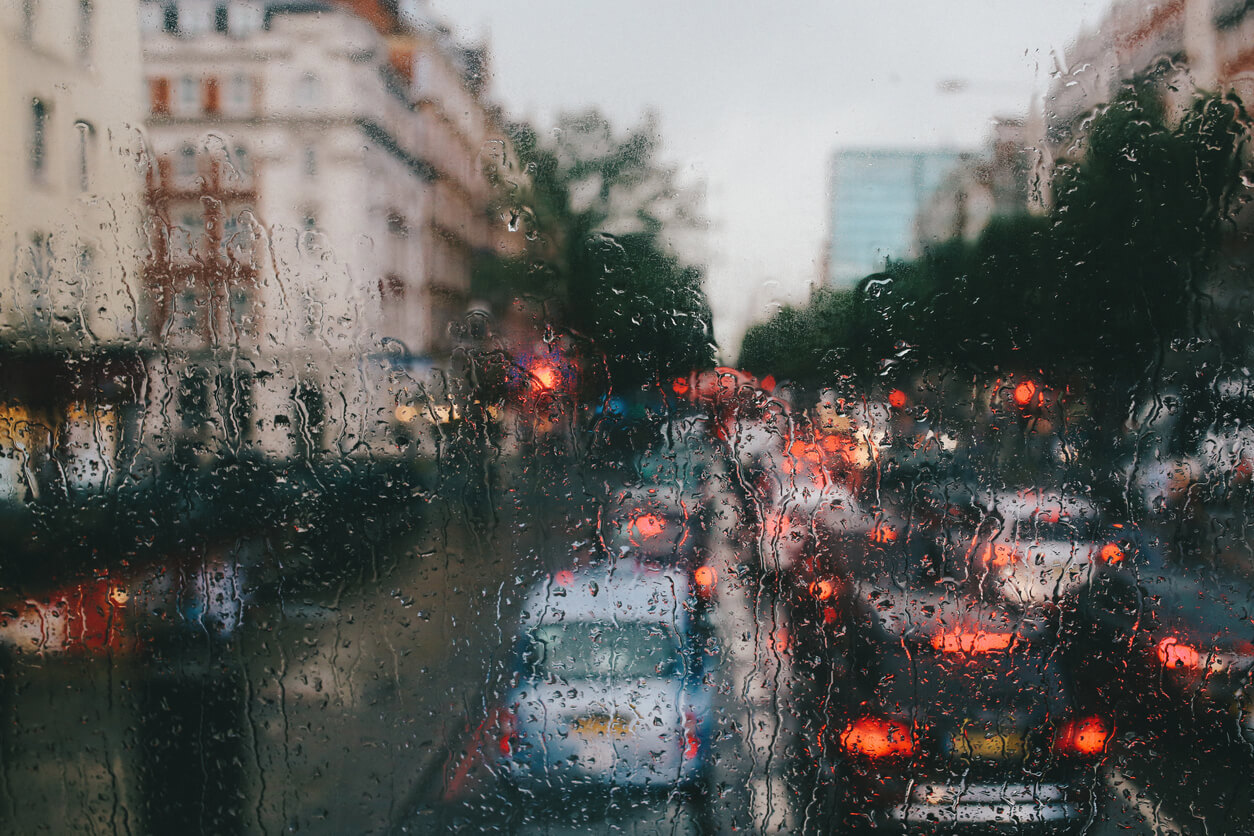
Taking second place is York, with an overall score of 54.8 out of 80. The historic city stood out for having the lowest proportion of collisions occurring as a result of adverse weather conditions in the entire study, at just 8.6%. As well as this, it was also one of the drier destinations analysed, receiving just 211.2mm of rainfall on average between November and February.
That said, York drivers may need to be more cautious as temperatures drop below freezing, as the city experienced 30.3 frost days, nearly double Sunderland’s figure.
Just behind York is Newcastle, rounding out the top three with a score of 54.7 out of 80. With low rainfall of 222.7mm, Newcastle offered relatively dry conditions for motorists. For classic car owners itching to take their pride and joy out for a winter spin, that could mean a few more opportunities to enjoy the road without the inevitable British downpour making an appearance.
Completing the top five were Gloucester and Edinburgh, with scores of 54.2 and 51.0.
Britain’s WORST Winter Driving Hotspots Revealed
We reveal the cities where winter conditions make getting behind the wheel the toughest.
# | City | Score / 80 |
|---|---|---|
1 | Bradford | |
2 | Glasgow | |
3 | Birmingham | |
4 | Preston | |
5 | Wolverhampton | |
6 | Leicester | |
7 | Stoke-on-Trent | |
8 | Norwich | |
9 | Dundee | |
10 | Coventry |
From frost and lying snow to heavy traffic and troublesome road surfaces, motorists in some cities have considerably more to contend with once the colder months arrive.
So, where is winter most likely to throw a spanner in the works Bradford ranked lowest in the study, recording a score of just 23.8 out of a possible 80. Road conditions proved a particular challenge for road users in the area during the colder months, with the data revealing almost half (49.8%) of the city’s winter collisions occurred as a result of poor road surfaces.
And it isn’t just the roads themselves motorists need to watch. Bradford also experienced some of the more challenging cold-weather conditions in the study, averaging 28.7 frost days and nearly 9 days of lying snow.
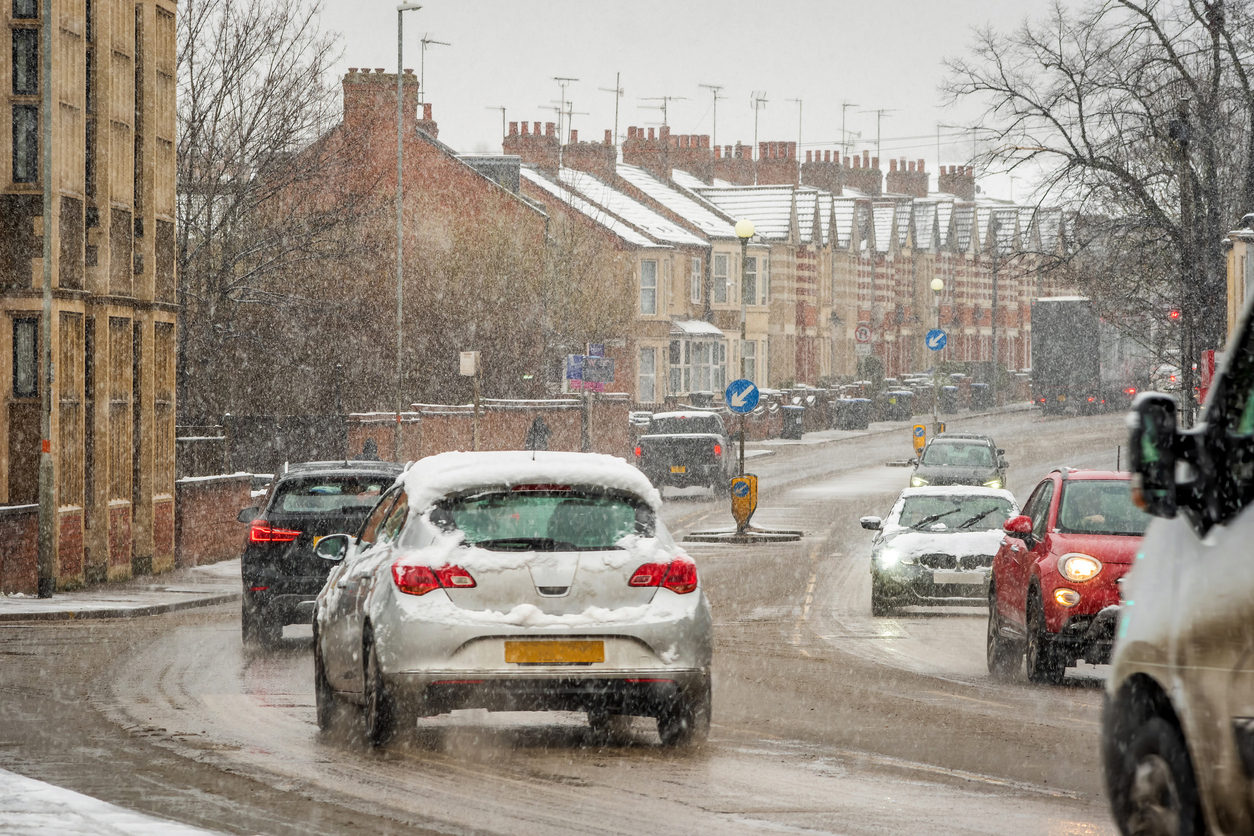
Glasgow ranked second lowest, with an overall winter driving score of 27.4 out of 80. Adverse weather was a notable factor for the Scottish city, with 23.9% of winter collisions occurring as a result.
Completing the bottom three was Birmingham, with a score of 29.7 out of 80. The city recorded an average daily traffic flow of 28,277 vehicles, alongside 67.3 winter collisions per 100,000 people, adding busy roads into the mix of challenges facing drivers during the colder months.
Mel Savage, our Head of Insurance Product, comments on the findings:
“Our research highlights just how different winter driving conditions can be depending on where you live, and the importance of councils maintaining roads to make journeys safer and easier when conditions become challenging. This includes repairing potholes and damaged road surfaces, as well as ensuring roads are gritted ahead of freezing conditions.
“Of course, there’s also plenty drivers can do themselves to stay safe in tricky driving conditions this winter. For example, leaving more space between you and the car in front, adjusting speed to the conditions, and also performing key checks on your car before heading out such as tyres, lights and making sure your windscreen is clear.
“If you’re a classic car owner, you’re more likely to keep your pride and joy tucked away safely over the winter. But for those who do choose to venture out, make sure to check the weather forecast and road conditions before setting off. And when the weather really does take a turn. Sometimes it’s best to know when to leave the keys on the hook.”
Methodology
Taking a seed list of 40 major cities across the Britain, we revealed which locations offer the best and most challenging driving conditions this winter.
We ranked each city across a range of factors, from climate data and traffic levels to collisions caused by poor weather conditions, road surface issues and more, to give each location a final score out of 80.
Each data point was ranked using normalisation scoring, giving a total score out of 10 for each factor. A higher score meant easier road conditions, while a lower score meant roads were more challenging to navigate during the winter months.
Belfast was excluded from the final ranked dataset because the Department for Transport road collision and traffic sources used for the analysis cover Great Britain rather than Northern Ireland. The final ranking therefore contains 39 cities.
To calculate average daily traffic flow, we used the DfT’s AADF data, which looks at the average number of vehicles using individual road links each day. For each city, we took the DfT count points within 5km of the city centre and calculated the average across them.
Sources
Department for Transport | Met Office | ONS | National Records of Scotland | CEDA