
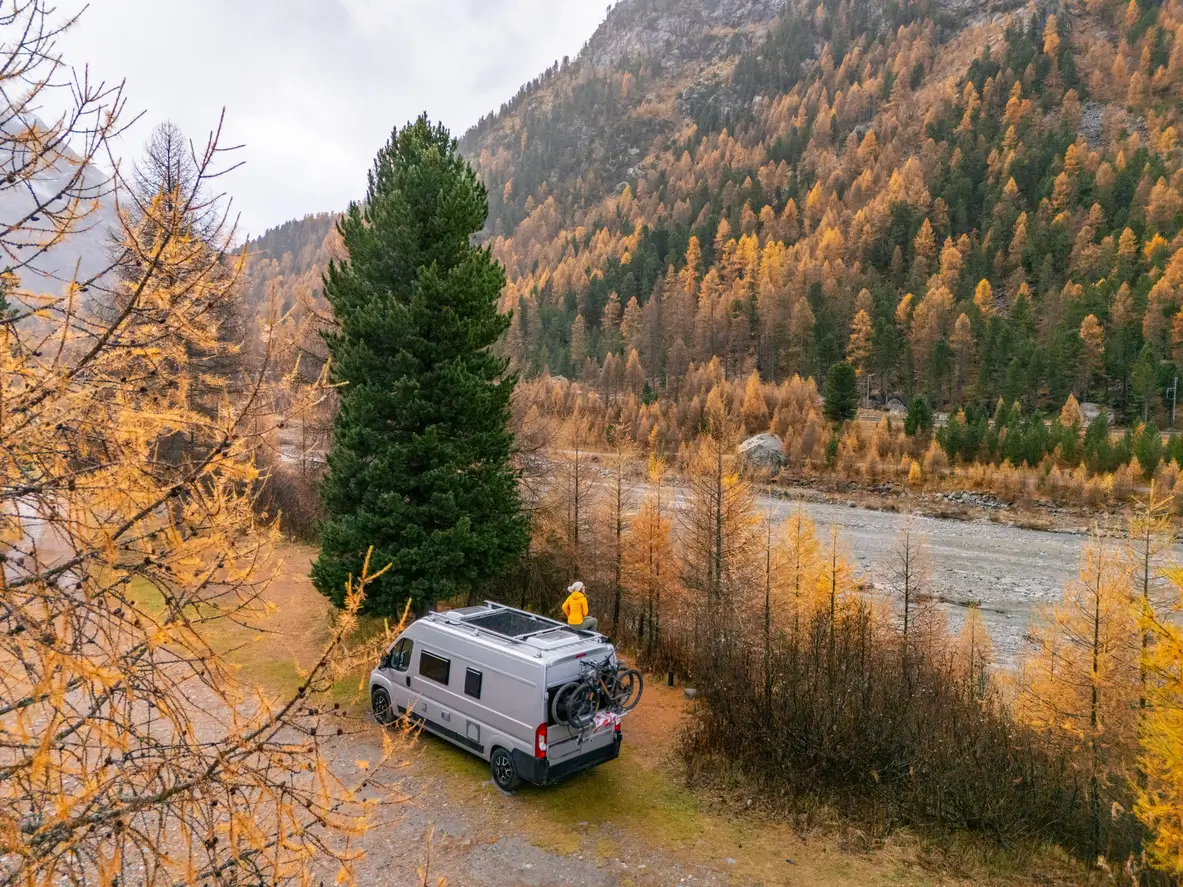
Scotland is known for its local laws that allow wild camping on public and private land and is famed the world over for its incredible scenery, rugged coastlines and beautiful lochs. But the rules don’t allow you to wild camp in a motorhome or campervan.
Here we’ll look at the rules and regulations for wild camping in Scotland and what they mean for motorhome owners. We’ll also focus on your options for a back-to-nature wild camping experience within the law and help you decide whether to go wild or park up at a campsite for the night.
Is wild camping allowed in Scotland? The Land Reform Act and the Scottish Outdoor Access Code
Unlike the rest of the UK, people are free to wild camp in Scotland, on both public and private land. Under Scotland’s Land Reform Act 2003, wild camping is legal, but it comes with responsibilities.
In Scotland, you can usually wild camp on:
Unenclosed, remote ground
Hills, moorland, woods, and open countryside
You should avoid camping:
In enclosed fields (especially where there are crops or livestock)
Close to buildings or private gardens
In busy hotspots already showing signs of strain
Within 30+ metres of lochs, rivers or burns
So, what do we mean by wild camping?
Wild camping is all about low-impact camping, typically in a tent, and well away from roads, buildings and organised campsites. You must follow the Scottish Outdoor Access Code, and usually need to:
Arrive on foot, bike or canoe
Pitch late and leave early
Stay for one or two nights
Leave nothing behind
Can you wild camp in a motorhome in Scotland?
Some of the key things you see above are that you need to camp well away from roads and you should usually arrive on foot, bike or canoe. This means that the rights under the Scottish Outdoor Access Code don’t apply to motorhomes. So legally, you can’t wild camp in a motorhome in Scotland, and you don’t have a legal right to park a motorhome overnight on public road verges or laybys.
It’s also important to know that many non-tarmacked roads, unfenced areas of land and beaches are private property. It means that you don’t have the right to vehicle access unless you agree this with the landowner or there are signs allowing access.
Under the Road Traffic Act 1988, you can only drive a vehicle off-road, away from a public road, for the purpose of parking and within 15 yards of a public road.
What are your options for wild camping?
While you might not be able to wild camp in the traditional sense of the word in Scotland, you do have a few options to stay in your motorhome away from designated campsites.
These include:
The Stay the Night scheme
This has been implemented by Forestry and Land Scotland. It allows self-contained motorhomes and campervans to stay for one night in some of its car parks.
Look out for the Stay the Night symbol at the car park, as it lets you know you can stay for the night. You’ll need to pay a £10 fee for the night in most car parks, using RingGo. You can either call up to pay on +44 (0)131 239 0000 or use the RingGo app, and you have 72 hours after you leave to pay.
You can’t book a spot in advance. Plus, you can’t use a pop-up tent or toilet beside your vehicle. Everything must be self-contained.
Wild with Consent
The Wild with Consent platform connects campervan and motorhome owners with private landowners who allow wild camping on their land.
Each location offers exclusive access, with just one booking per night. It means you get real privacy and can enjoy a genuine connection with the countryside without the crowds and noise. It’s all about open space, views and fresh air, while promoting sustainable travel that supports local farm communities.
You do need to pay for your stay, with prices ranging from £25 to £75 per night. Around £45 per night is the average.
Brit Stops
Brit Stops is another platform that offers overnight stops at participating pubs, farm shops and breweries. You pay a yearly membership fee of around £44, although you can usually find discount codes for new members. You then don’t pay anything for your nightly stay.
Wild camping vs. campsites
While you can’t necessarily 100% wild camp in your campervan in Scotland, the above options get you as close to the experience as you can legally get. So, should you choose one of these or go for a pitch at a campsite? These are the things to think about.
Cost: For a basic pitch at a campsite in Scotland, you’ll likely pay between £13 and £30 a night. It’s usually between £25 and £45 for an electric hook-up pitch and £35 to £45+ for a fully serviced pitch. Wild camping with Stay the Night is just £10 per night, while it’s free with Brit Stops once you’ve paid your membership.
Experience: Options like Wild with Consent offer more of an authentic wild camping experience, as spots are limited to just one booking per night. These are also remote spots on private land without any mod cons; just you in the open air and under the stars. Stay the Night also gives you the chance to stay in more remote forest locations.
Facilities: Wild camping offers the chance to get back to nature, while campsites promise toilets, running water, Wi-Fi and waste disposal. You need to be self-sufficient with wild camping and also make sure you leave no trace.
Privacy: Wild camping means privacy and seclusion, whereas you’ll be closer to other campers on a campsite.
Fun for the kids: Often campsites will have facilities for the kids to keep them entertained, while wild camping is a more back-to-nature experience.
Tips for wild camping in Scotland
If you’re heading to Scotland to wild camp in a motorhome or campervan, it helps to:
Understand the laws: Remember, despite wild camping being allowed on public and private land in Scotland, this doesn’t extend to campervans and motorhomes.
Know your options: The likes of Stay the Night, Wild with Consent and Brit Stops give you options to get as close as possible to the wild camping experience.
Get the relevant apps: It helps to have apps for RingGo and Wild with Consent on your phone to make it simple to book or pay.
Be prepared to pay: You can’t just park up and camp for free. Stay the Night is £10 to park in one of Forestry and Land Scotland’s car parks, for example. Brit Stops is a good free option, once you’ve paid the membership fee.
Abide by wild camping etiquette: You still must leave no trace and only stay for one or two nights.
Getting your wild camping fix in Scotland
Wild true wild camping might not be allowed in Scotland, Wild with Consent, Stay the Night and Brit Stops mean you can get as close as possible to the real thing. And if all else fails, there’s always the option to stay in a designated campsite.
Keen for more campervanning trips? Discover your complete guide to campervanning in Ireland and learn more about campervanning in Croatia.
Specialist motorhome and campervan insurance by Ripe
Ready to get set on a wild camping adventure? Like all camping in a motorhome and campervan, it does come with risks, which means you should consider motorhome insurance. Find out more about specialist motorhome and campervan insurance by Ripe and get an online quote today.
Please note the information provided on this page should not be taken as advice and has been written as a matter of opinion. For more on insurance cover and policy wording, see our homepage.