
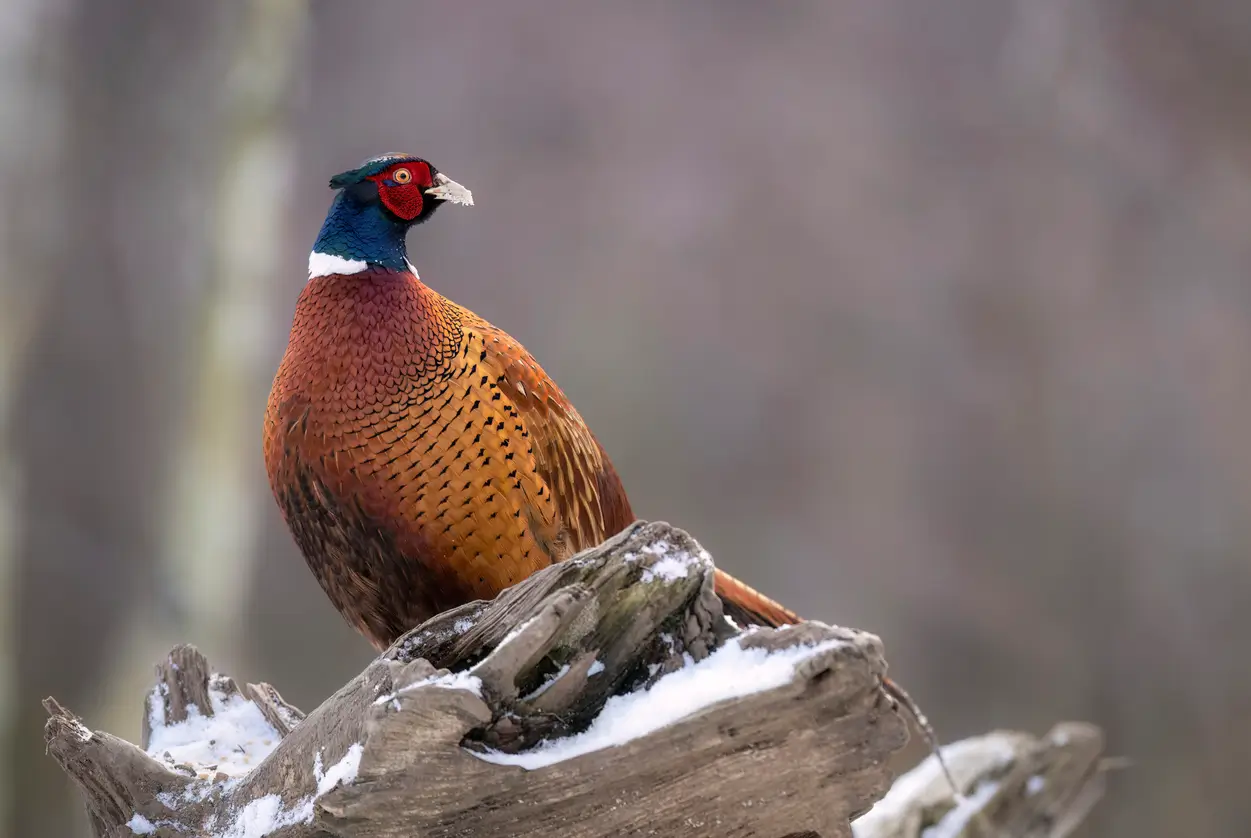
Here in Britain, we’re proud of our incredibly varied landscape—the ancient woodlands, the rolling fields, and the beautiful coastlines, to name just a few. This environmental diversity does a lot more than merely provide us with a few picturesque views—our British game birds have been able to breed and thrive successfully by feeding on our rich food sources.
Since we host such a vast array of game birds, it can be easy to lose track of which one is which and when they’re in season. That’s why we’ve created this handy guide for everything you need to know about British game birds, but first, let’s cover what a game bird is.
What is a game bird?
Any wild bird that’s legally hunted for food or sport is classed as a game bird. In Britain, this includes birds such as woodcocks, mallards, grouse, and pheasants. The hunting of all game birds is subject to hunting laws and shooting seasons, so make sure you check these before your first hunt. We’ve covered the shooting seasons for some of the most popular UK game birds in our list below.
6 game birds found in Britain
Pheasant
When: October 1st – February 1st
Where: Woodland edge, shrubby wetland and agricultural land
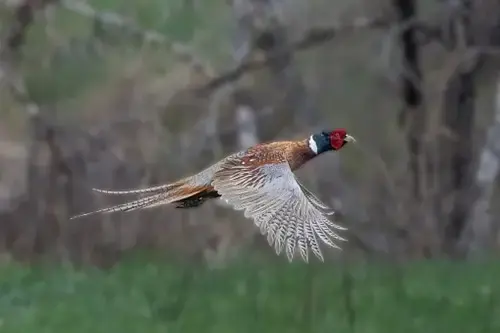
Pheasant is by far the most well-known and abundant game bird in Britain and is a staple of driven shooting. With its subtle flavour, it’s a great choice for those who are taking their first plunge into the world of game.
The pheasant shooting season starts on October 1st and lasts until February 1st, and pheasant shooting is known for being a challenging sport. Pheasants can be found in woodland edge, shrubby wetland and agricultural land, and although pheasant shooting is available throughout the country, pheasant shoot locations in the Devon and Welsh hills, in particular, are known for providing the best experiences.
Grouse
When: August 12th – December 10th
Where: Heather moorland
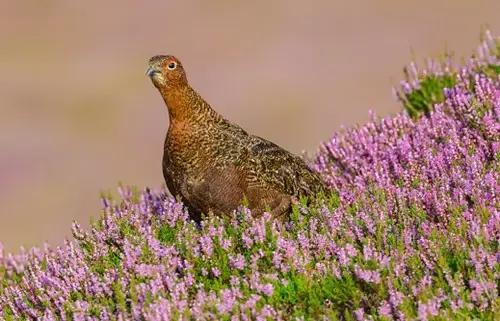
While pheasant is the most well-known game bird, those who are well acquainted with the world of game know that red grouse is the crème de la crème of British game birds. The reason for this is that, apart from the grouse’s delicious yet subtle game flavour and low-fat content, red grouse is unique to the British Isles, meaning people from all over the world pay large sums of money to shoot them.
Bagging your first grouse can be a real challenge because its flight hugs the contours of the moor and is extremely fast and low. The grouse season starts on the Glorious Twelfth (August 12th), which is the most significant date in the shooting calendar, as it marks the beginning of the shooting season as a whole and runs through to December. However, younger grouse that are bagged early on in the season are leaner, more tender and more delicately flavoured, so don’t hang around!
Partridge
When: September 1st – February 1st
Where: Dry lowlands, farmland, grassland, and heathland (red-legged). Wasteland, moors and sand dunes (grey)
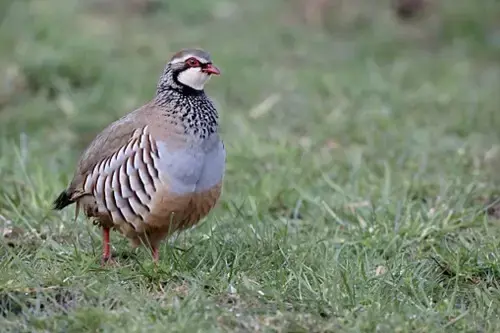
There are two types of partridges—red-legged and grey. Red-legged partridges are bigger than their grey counterparts and were introduced to Britain from Spain and France. As the grey partridge’s numbers have declined and are harder to come by, the red-legged partridge now accounts for the majority of the country’s partridge shooting.
The grey partridge, although rarer, is regarded as having a superior texture of the two birds. However, whichever species you try, you’ll still enjoy delicate meat without an overly strong gamey flavour.
Common Snipe
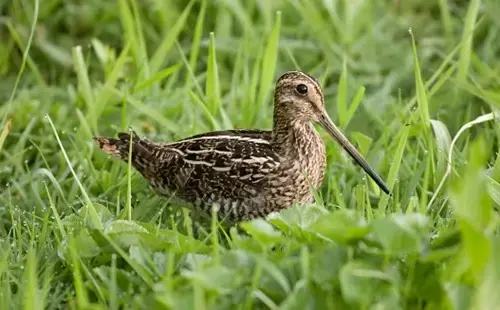
When: August 12th – January 31st
Where: Moorland and well-vegetated wetlands
The twelfth of August is not exclusive to the grouse; it also marks the start of the snipe shooting season. A small wading bird with a long, needle-like beak, the snipe lives in the British wetlands and is extremely difficult to catch as it flies in an erratic ‘zig-zag’ manner.
Unlike the other game birds on our list, the snipe bird is cooked and roasted completely whole, with the innards still inside. While this process isn’t for the faint-hearted, it really adds to the flavour of the final dish, and snipe pâté is a popular choice when spread on toast.
Mallard
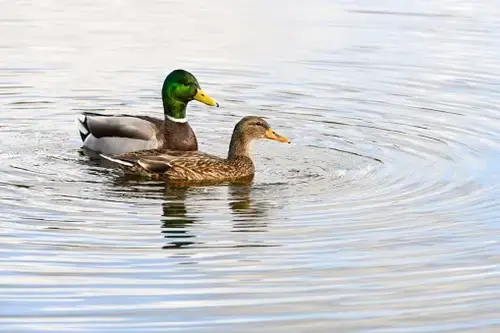
When: 1st September –January 31st
Where: Wetlands, marshes, ponds, rivers, lakes, and oceans
The mallard is the largest species of wild duck in Britain, and so it’s the most commonly used wild duck in our restaurants. Although relaxed in village ponds, wild mallards are much more cautious, so wildfowlers must use clever tactics, such as decoys and duck calls, to lure them out. In England and Wales, all duck species must be shot with a non-lead cartridge, so make sure your gun is suitable for this.
Mallard meat is lean and has a distinctively rich, gamey flavour that makes it a great winter meat, which goes exceptionally well with fruits such as oranges and cherries.
Woodcock
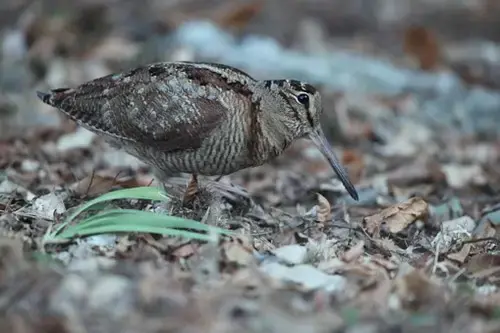
When: October 1st – January 31st
Where: Woodland and farmland
Woodcocks are believed to be one of the most sporting game birds due to their zig-zagging flight, much like the common snipe. The similarities with the snipe don’t stop there—woodcocks are also cooked without having their head, feet or organs removed, which really adds to the flavour of the final dish.
Most of the woodcocks found in Britain are there all year round, but some arrive from Russia and Finland for winter. Although woodcock meat can be extremely hard to get hold of due to Britain’s declining Woodcock population, if you do, it’s certainly worth the effort!
British game birds FAQS
How do you hang game birds?
Game birds should be hung in a cool, dry place by their neck or feet. Ensure they are placed 6 inches apart to allow for good airflow and protection from flies and pests. Lastly, remove their innards before you hang them for a milder flavour, or leave them in for a stronger flavour when you come to cook them.
What is the most common game bird?
The most common game bird in Britain is the pheasant. Millions of pheasants are released into farmlands and woodlands every year to be hunted for sport.
Which game bird is native to the UK?
There are several game birds which are native to the UK, such as:
Red and black grouse
Grey partridge
Snipe
Mallard
Teal
Common quail
Woodcock
Specialist shooting insurance through Ripe
Regardless of which type of shooting you do, before you head out on a shoot, you may want to consider getting specialist shooting insurance.
Learn more about specialist shooting insurance through Ripe or get an online quote today.
Please note the information provided on this page should not be taken as advice and has been written as a matter of opinion. For more on insurance cover and policy wording, see our homepage.